Top Project Management Software 2026
- Explore the top Project Management tools of 2026
- Compare features to find the best fit for your needs
- Save with exclusive offers on selected software
- Achieve seamless project management with complete solutions
When choosing project management software, it's essential to know whose advice you can rely on. The challenge is that many software review sites online are operated by marketers looking to promote products based on the highest commissions rather than actual performance or user satisfaction. Unfortunately, this often leads to recommending tools that don’t serve the best interest of users.
We take a different approach because we believe that cutting corners is both unethical and untrustworthy. Instead, we’ve invested considerable time and effort into researching, testing, and comparing the most popular project management tools on the market. This allows us to identify which platforms truly excel. Our team also regularly re-tests our top picks and updates our reviews to ensure the information you find on our site is accurate and current.
With years of experience in evaluating and reviewing software, our goal is to provide honest and transparent recommendations that help users find the best project management tool for their needs and budget. You can trust that we only recommend tools that we confidently use ourselves, ensuring that you get reliable advice you can count on.
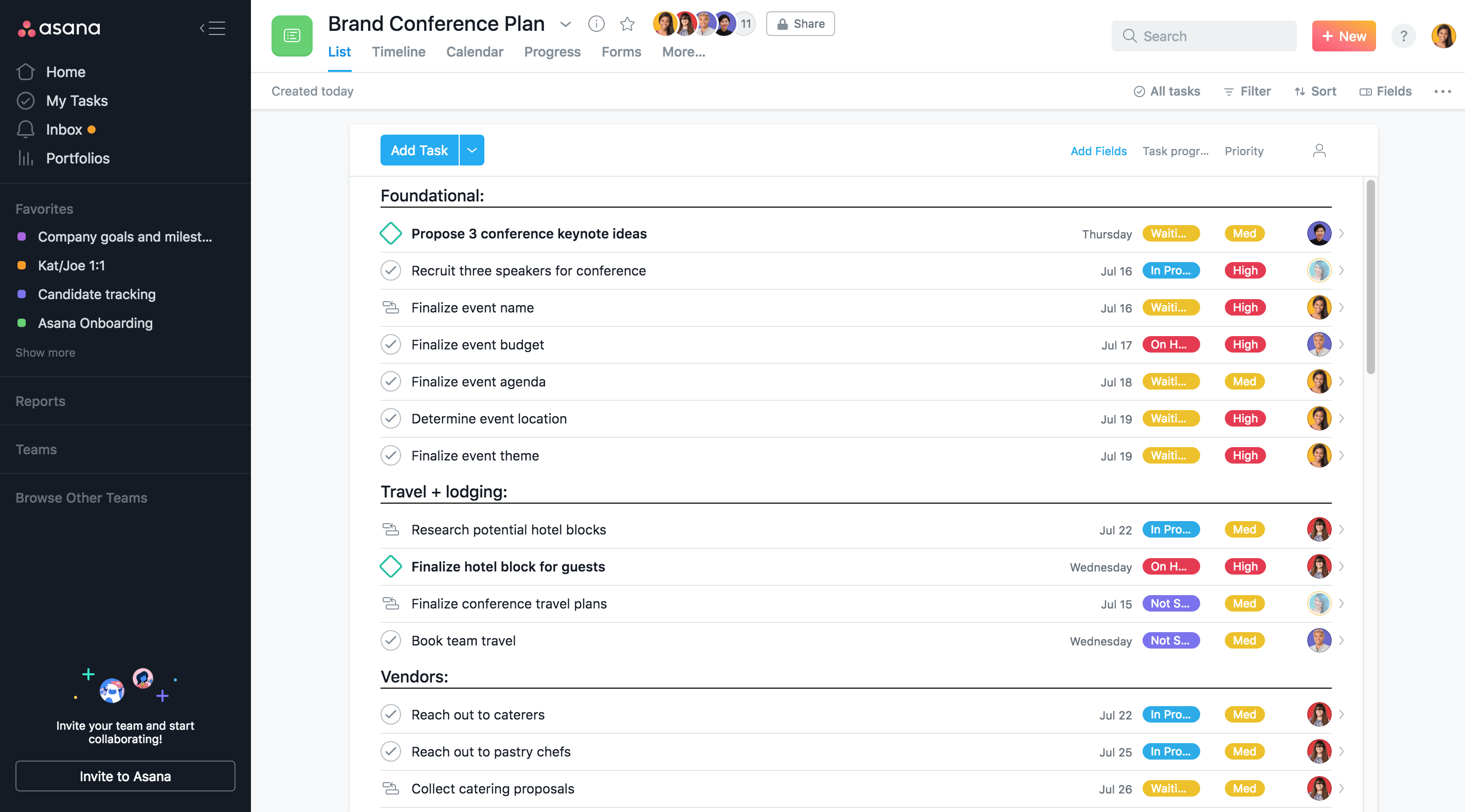
Project management software is the most efficient and reliable way to organize, track, and manage tasks across teams and projects. With a combination of task management, scheduling, and collaboration tools, these platforms enable teams to stay on top of deadlines, manage resources effectively, and keep projects moving forward. By centralizing information, they streamline workflows and allow for better visibility into project progress.
But modern project management tools go beyond simple task tracking. They come packed with features that can improve every aspect of your team\'s productivity. Top platforms include collaboration features like real-time messaging and file sharing, reporting tools to track performance and project milestones, automation tools to streamline repetitive tasks, and resource management capabilities to allocate your team\'s time and efforts more efficiently. Many also integrate with popular apps like Slack, Google Workspace, and Microsoft Teams, so your tools work seamlessly together.
In short, investing in high-quality project management software from a trusted provider is essential for ensuring smooth collaboration, better project outcomes, and the ability to handle complex workflows efficiently, all while keeping teams aligned and productive.
Project management software is a tool designed to help teams plan, track, and manage projects effectively. It provides features like task assignment, scheduling, resource management, collaboration tools, and reporting to streamline workflows and ensure projects are completed on time and within budget.
Key features to consider include:
Project management tools centralize communication by providing shared workspaces, task comments, and messaging options. Team members can collaborate in real-time, share files, and keep everyone updated on project progress. This improves coordination, reduces the need for long email chains, and helps teams stay aligned.
Many project management tools offer customization options. You can often tailor task lists, workflows, reporting formats, and user permissions to match your team’s specific needs. Some software also allows you to create custom project templates or integrate with other software tools you already use.
Yes, many project management platforms include built-in time tracking and resource management features. These tools help you track the time spent on each task, monitor team workload, and allocate resources more efficiently, ensuring optimal productivity.
Top project management software providers prioritize security by offering encryption, two-factor authentication, regular security updates, and compliance with data protection regulations such as GDPR. Always review the security policies of the provider to ensure they meet your organization’s needs.
Pricing varies depending on the tool and features. Some offer free plans with limited features, while paid plans can range from $10 to $100 per user per month. Many providers offer scalable pricing based on the size of your team and the complexity of your project needs.